
 Français
  Deutsch
  Español
  Italiano
  Nederlands
  Português
  Brasileiro
  Ελληνικά
  Polski
  Română
  Svenska
  Türkçe
  Български
  हिंदी
हिंदी 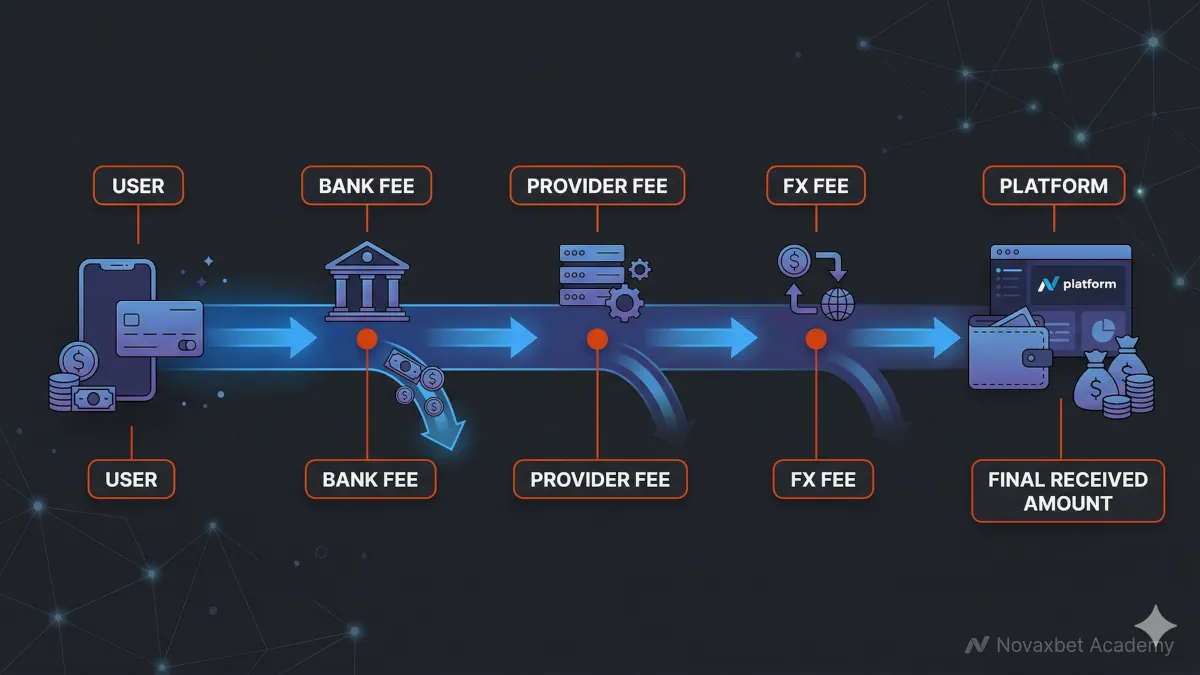
Fees in Bank Transfers
Understanding the different types of fees involved in bank transfers.
Novaxbet Editorial •2026-05-16•3 min read
Instant bank transfers are designed for speed and efficiency, but they are also subject to various limits and restrictions. These controls are necessary to manage risk, comply with regulations, and ensure system stability.
Understanding these limits helps users avoid failed transactions and plan payments effectively.
Do Instant Bank Transfers Have Limits
Next reading
Yes, instant bank transfers have limits.
These limits can apply to:
- transaction amount
- daily or monthly totals
- number of transactions
Limits vary depending on the bank, platform, and payment system.
Types of Limits
Different types of restrictions may apply.
Per Transaction Limits
Maximum amount allowed per single transfer.
Daily Limits
Total amount allowed per day.
Monthly Limits
Aggregate limits over longer periods.
Frequency Limits
Restrictions on how often transfers can be made.
Each type controls a different aspect of usage.
Bank-Imposed Limits
Banks set limits to manage:
- fraud risk
- liquidity
- operational capacity
These limits may differ between accounts and users.
Payment Network Limits
Payment systems also impose restrictions.
Examples include:
- SEPA Instant caps
- real-time payment network thresholds
These limits apply regardless of the bank.
Platform-Level Limits
Payment platforms may define additional rules.
They may limit:
- deposit amounts
- withdrawal sizes
- transaction frequency
Platform limits can be stricter than bank limits.
Regulatory Restrictions
Regulations can influence limits.
These may include:
- anti-money laundering (AML) rules
- transaction monitoring requirements
- jurisdiction-specific caps
Compliance affects how payments are processed.
Limits Based on User Profile
Limits may vary depending on:
- account verification level
- transaction history
- geographic location
Higher verification often increases limits.
Currency and Regional Limits
Limits can differ by:
- currency
- country
- payment scheme
Not all regions support the same thresholds.
Why Limits Exist
Limits are designed to:
- reduce fraud risk
- protect users
- ensure system stability
They are essential for secure operations.
What Happens When a Limit Is Reached
If a limit is exceeded:
- the transaction may be declined
- the user may be asked to reduce the amount
- alternative payment methods may be required
Understanding limits helps avoid disruption.
Increasing Transfer Limits
In some cases, limits can be increased.
This may involve:
- completing identity verification
- upgrading account status
- contacting the bank or provider
Not all limits are adjustable.
Instant vs Traditional Limits
Limits may differ between systems.
Instant transfers:
- often have lower maximum limits
- prioritize speed and risk control
Traditional transfers:
- may allow higher amounts
- involve longer processing times
Users must choose based on needs.
Limits and Security
Limits contribute to security.
They:
- reduce exposure to large losses
- control transaction behavior
- support fraud detection systems
Limits are part of risk management.
Planning Around Limits
Users can manage limits by:
- splitting large payments
- scheduling transactions
- using alternative methods
Planning reduces friction.
Limits vs Flexibility
Instead of thinking:
“Limits are restrictive”
A better perspective is:
“Limits balance usability, safety, and system reliability”
They ensure the system works effectively for everyone.