
 Français
  Deutsch
  Español
  Italiano
  Nederlands
  Português
  Brasileiro
  Ελληνικά
  Polski
  Română
  Svenska
  Türkçe
  Български
  हिंदी
हिंदी 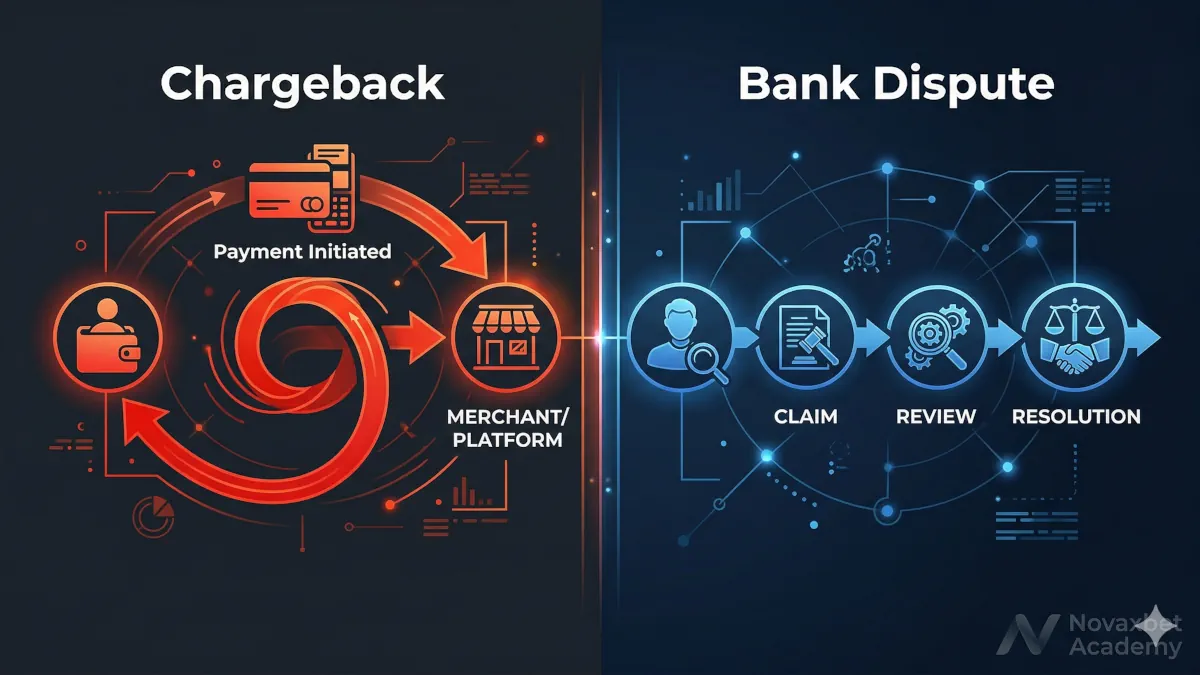
Chargebacks vs Bank Disputes
Differences between card chargebacks and bank payment disputes.
Novaxbet Editorial •2026-05-16•3 min read
Instant bank transfers are evolving rapidly as financial technology advances and global payment systems modernize. What started as a regional innovation is becoming a global standard for digital payments.
Understanding the future of instant payments helps users and businesses anticipate changes in speed, accessibility, and financial services.
The Shift Toward Real-Time Payments
Next reading
Financial systems are moving toward real-time infrastructure.
This shift is driven by:
- demand for faster transactions
- digital-first user behavior
- global commerce needs
Instant payments are becoming the default expectation.
Global Expansion of Instant Payment Networks
More countries are adopting real-time payment systems.
Examples include:
- SEPA Instant in Europe
- Faster Payments in the UK
- RTP and FedNow in the United States
Global coverage continues to expand.
Open Banking and API Integration
Open banking is accelerating innovation.
It enables:
- secure data sharing
- direct bank connectivity
- new payment services
APIs allow seamless integration between banks and platforms.
Improved User Experience
Future systems focus on simplicity and speed.
Improvements include:
- fewer steps to complete payments
- clearer transaction status
- better mobile integration
User experience is becoming a competitive factor.
Enhanced Security Technologies
Security continues to evolve alongside speed.
New developments include:
- AI-driven fraud detection
- behavioral analysis systems
- biometric authentication
Security is becoming more proactive.
Cross-Border Instant Payments
One of the biggest developments is international instant transfers.
Future systems aim to:
- reduce cross-border delays
- lower costs
- standardize global payment protocols
Global instant payments are a key objective.
24/7 Financial Infrastructure
Instant payment systems operate continuously.
This enables:
- payments at any time
- faster business operations
- improved liquidity management
Always-on systems are becoming standard.
Integration With Digital Services
Instant payments are increasingly embedded in digital ecosystems.
They are used in:
- e-commerce platforms
- mobile applications
- subscription services
Payments are becoming invisible within services.
The Role of Regulation
Regulators are shaping the future of payments.
They focus on:
- security standards
- interoperability
- consumer protection
Regulation supports trust and adoption.
Competition Between Payment Methods
Instant bank transfers compete with:
- card payments
- digital wallets
- emerging fintech solutions
Competition drives innovation and lower costs.
Impact on Businesses
Businesses benefit from:
- faster cash flow
- reduced settlement delays
- improved customer experience
Instant payments change financial operations.
Challenges Ahead
Despite progress, challenges remain.
These include:
- global standardization
- system interoperability
- fraud management at scale
Addressing these is critical for growth.
The Future Role of Banks
Banks are adapting to remain central.
They are:
- upgrading infrastructure
- partnering with fintech companies
- offering new digital services
Banks remain key players in the ecosystem.
Instant Payments as a Standard
Instead of asking:
“Will instant payments replace traditional systems?”
A more relevant question is:
“How quickly will instant payments become the global standard?”
The transition is already underway.
Long-Term Outlook
Instant bank transfers are expected to:
- expand globally
- become faster and more secure
- integrate deeper into everyday services
They represent the future of digital payments.